
The Concept of Immersion in Casino Spaces
Immersion is a fundamental aspect of casino design, aiming to transport visitors into a unique world that encourages gaming and social interaction. By creating an environment rich in sensory stimuli, casinos engage players’ emotions and draw them deeper into the experience. For instance, the use of vibrant colors, captivating lighting, and engaging sounds creates an atmosphere that heightens excitement and anticipation, making it difficult for players to leave once they enter. Additionally, many casinos now offer convenient payment methods like casino neosurf , which enhances the overall experience and keeps players engaged longer. This psychological tactic is not merely a design choice but a carefully crafted strategy to prolong a player’s stay.
The layout of a casino is meticulously planned to facilitate exploration and discovery. Designers often employ a labyrinthine structure, where guests are guided through a winding path of gaming stations, restaurants, and lounges. This setup not only keeps players engaged but also leads them to other areas where they may engage in additional gambling or entertainment. The feeling of being in a bustling, lively environment can stimulate players’ desire to continue playing, as they become enveloped in the ambiance that casinos strive to maintain.
Additionally, the integration of themes into casino design plays a crucial role in fostering an immersive experience. For example, a casino designed with a nautical theme may feature décor that resembles the ocean floor, while also using sea sounds in the background. This thematic approach captivates visitors’ imaginations, making them feel as though they are part of an entirely different world. The combination of sensory elements and thematic coherence significantly enhances the overall experience, ultimately influencing players’ behaviors and decisions.
The Role of Psychological Triggers
Psychological triggers are instrumental in casino design, as they exploit cognitive biases and decision-making processes to persuade players to gamble more. One effective technique is the use of near-misses in games, where players come close to winning but fall short. This phenomenon can create a sense of urgency and excitement, prompting individuals to continue playing in hopes of achieving the elusive win. By understanding and utilizing these psychological principles, casinos can create a compelling gaming experience that keeps players invested in their games.
Moreover, the concept of variable rewards significantly influences players’ gambling behavior. Unlike fixed rewards, variable rewards provide unpredictable payoffs, which are more enticing and encourage repetitive behavior. By implementing this concept, casinos can increase player retention and engagement, as individuals are compelled to keep playing in anticipation of the next win. The suspense built around uncertain outcomes contributes to the thrill of gambling, enticing players back for more, despite potential losses.
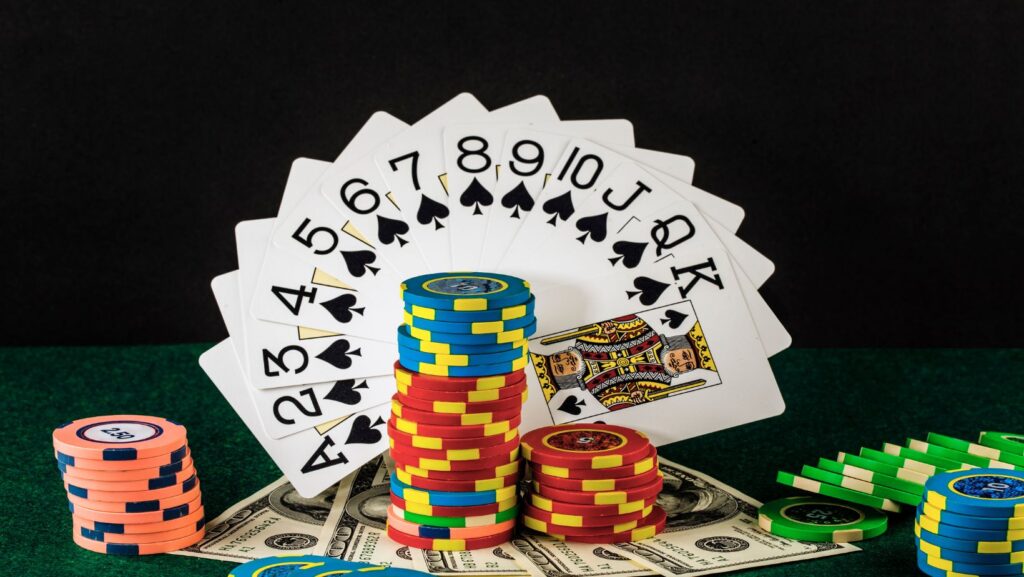
Furthermore, the layout of slot machines within gaming areas is intentionally designed to create a sense of urgency among players. For instance, machines are often placed in clusters, encouraging social interaction and competition among players. This not only enhances the gaming atmosphere but also taps into the social aspect of gambling, where players may feel compelled to participate when they see others winning. By fostering an environment rich in psychological triggers, casinos can effectively manipulate player behavior and maximize their time on the floor.
The Use of Colors and Lighting
Color psychology plays a significant role in casino design, impacting mood and behavior in profound ways. Warm colors like red and gold are often employed to evoke feelings of excitement and luxury, while cooler colors like blue and green can promote relaxation and calmness. Casinos strategically implement these colors throughout their spaces to influence the emotional state of their guests, fostering an environment conducive to prolonged gambling. By understanding how colors affect human emotions, designers can create a captivating atmosphere that compels players to immerse themselves in the gaming experience.
Lighting is another critical aspect of casino design that works in tandem with color. Soft, ambient lighting can create a sense of intimacy and comfort, while bright, dynamic lighting highlights gaming machines and popular tables. The strategic use of lighting can draw attention to specific areas, guiding players toward high-stakes games or promotions. Moreover, the ability to manipulate lighting to create various moods at different times of the day can enhance the overall experience, making the environment feel alive and constantly changing.
These elements combined create a powerful psychological impact, reinforcing the casino’s allure. Designers are aware that the interplay of colors and lighting can influence not only the duration of a player’s visit but also their willingness to engage in more significant bets. The overall sensory experience crafted through these design choices is crucial for cultivating an atmosphere where guests feel drawn into the action and compelled to stay longer, ensuring that they enjoy each moment spent within the casino’s vibrant walls.
The Importance of Social Environment
A thriving social environment is essential in casino design, as it significantly influences player behavior and attitudes. Casinos are often designed with open spaces to encourage social interactions among guests, creating a lively atmosphere that resonates with the excitement of gambling. The placement of tables and machines fosters interaction, allowing players to engage with one another while enjoying their games. This social dimension not only enhances the overall experience but also cultivates a sense of camaraderie among players, leading to a more enjoyable environment.
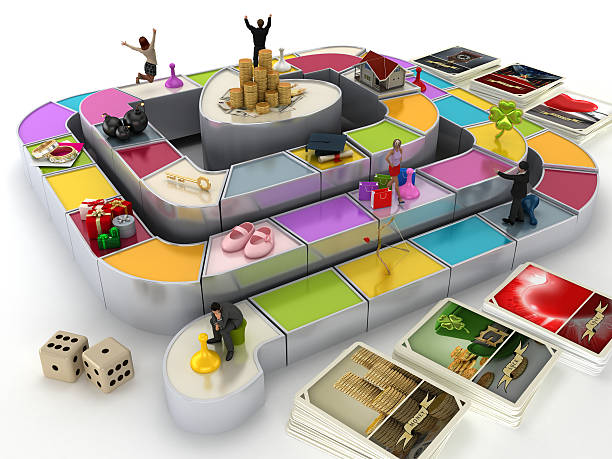
Moreover, the incorporation of lounges and bars within casino settings reflects the importance of socializing in the gambling experience. These areas provide players with a place to relax, recharge, and connect with others. By having spaces dedicated to leisure and socialization, casinos can attract a broader audience, appealing to those who may not prioritize gambling but still seek entertainment. The chance interactions that occur in these spaces often lead to increased foot traffic on the gaming floor, benefiting both players and the casino.
Ultimately, the social environment within casinos fosters a sense of community, enhancing emotional engagement and investment in the games. Players are more likely to return to environments where they feel welcomed and connected, making the design of social spaces crucial for long-term customer retention. By understanding the impact of social interactions on gambling behavior, casinos can strategically create an environment that keeps players coming back for more, driven by the desire to share their experiences with others.
Understanding the Online Casino Experience
The evolution of gaming has transformed the casino landscape, extending beyond traditional brick-and-mortar establishments to encompass online platforms. Understanding the psychology behind online casino design is essential, as it aims to replicate the immersive and engaging experiences of physical casinos. Online casinos utilize high-quality graphics, engaging narratives, and user-friendly interfaces to create an environment that captivates players just as effectively as their physical counterparts.
In the digital realm, the psychological triggers previously discussed remain relevant. Features such as reward systems, near-miss scenarios, and instant feedback play crucial roles in player engagement. By providing immediate gratification and leveraging the excitement associated with winning, online casinos can effectively cultivate loyalty among players. The strategic implementation of these techniques can enhance user experience, leading to increased time spent on the platform and higher rates of return.
Additionally, the social aspect of casino gaming has transcended physical boundaries, with online platforms incorporating chat functions and multiplayer games that mimic the interactive nature of real-world casinos. These features allow players to connect, compete, and share experiences in a virtual environment. The growth of online casinos reflects a shift in how players engage with gaming, as these platforms adapt to provide immersive experiences that satisfy the psychological needs of users while ensuring an engaging and competitive atmosphere.
