
The Role of Color in Casino Atmosphere
The psychology of color plays a significant role in casino design, influencing players’ emotions and behaviors. Color schemes are carefully chosen to create an inviting atmosphere that promotes excitement and engagement. Warm colors like red and gold are often employed to evoke feelings of warmth and luxury, while cooler shades like blue can have a calming effect. This strategic use of color not only enhances the visual appeal of the space but also impacts how long players choose to stay and engage with the games, especially at a non gamstop uk casino where the experience is tailored for maximum enjoyment.
Moreover, different colors can trigger various psychological responses in individuals. For instance, red has been shown to stimulate impulses and increase energy levels, making it a favorite choice for high-stakes gaming areas. In contrast, blues and greens might be featured in lounge or dining areas to encourage relaxation. Understanding these color associations allows casino designers to optimize each area of the casino for specific experiences tailored to the emotions they want to evoke in their patrons.
The interplay of light and color further amplifies this effect, with casinos often employing strategic lighting alongside their color choices. Bright, vibrant lights can draw attention to particular games or areas, encouraging players to take a closer look. The combination of color psychology and lighting thus becomes a powerful tool in creating a captivating environment that lures in visitors and keeps them engaged longer.
The Layout: Flow and Navigation
The physical layout of a casino is meticulously designed to guide visitors through the space in a manner that maximizes their gaming experience. The layout typically follows a non-linear design, where pathways and sightlines are created to encourage exploration rather than direct movement. This approach ensures that patrons encounter various games and amenities, increasing the likelihood of spontaneous gameplay. The fluidity of the layout enhances the sense of excitement and discovery, appealing to the innate curiosity of individuals.
Spatial orientation is another important aspect of layout design. Casinos often feature expansive open spaces that can make players feel as if they are part of a larger, exciting environment. By strategically placing high-energy areas, like slot machines and tables, near entrances, designers can attract newcomers while encouraging existing players to move deeper into the facility. The clever organization of gaming zones fosters interaction and competition, inadvertently influencing guests to stay longer in an effort to maximize their experience.
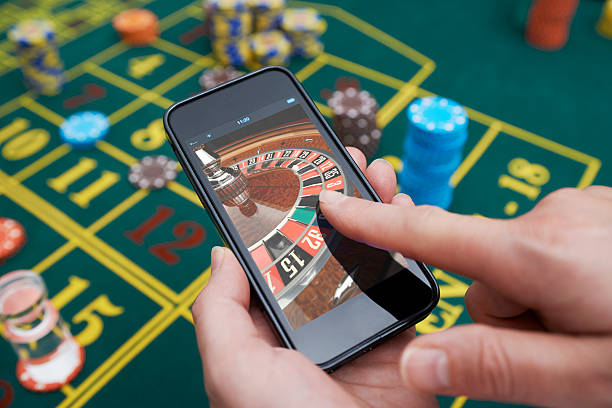
Furthermore, the positioning of amenities such as restaurants, bars, and lounges is intentionally planned to maintain player engagement. By ensuring these services are easily accessible without being overly intrusive, casinos can create an environment of convenience that sustains the gambling experience. As players take breaks or engage in social activities, they are likely to return to gaming areas, perpetuating a cycle designed to enhance their overall experience in the casino.
The Impact of Sound on Gaming Behavior
Sound design is a crucial yet often overlooked aspect of casino environments. Casinos carefully curate auditory experiences to enhance the excitement and energy of the gaming floor. The use of upbeat music and strategically timed sound effects serves to elevate the overall atmosphere, creating a sensory experience that immerses players in the moment. For example, the sound of coins clinking, bells ringing, or cheers from other players can elicit positive emotions and encourage further participation in games.
The volume and tempo of music played in casinos are also tailored to evoke specific feelings. Faster-paced music can create a sense of urgency and excitement, making players more likely to increase their bets or extend their gaming sessions. In contrast, softer background music in lounges or dining areas fosters relaxation and social interaction, providing players with a balanced experience that complements their gaming activities.
The psychological impact of sound extends beyond the immediate environment; it can also influence the perception of time. The continuous auditory stimulation can create a disassociation from the external world, causing players to lose track of time. This sense of escapism is a crucial factor in why many patrons find themselves spending longer periods in a casino, eventually leading to higher gambling activity and expenditures.
The Influence of Reward Systems on Player Loyalty
Reward systems are a fundamental component of casino design, tapping into psychological triggers that promote loyalty and repeat visits. Programs such as loyalty clubs, comp points, and tiered benefits create an incentive for players to return and spend more. By providing tangible rewards – whether it’s free meals, hotel stays, or exclusive access to events – casinos leverage the principles of operant conditioning, encouraging players to associate their gaming experience with positive outcomes.
The design of these loyalty programs often reflects an understanding of variable reinforcement schedules, which can keep players engaged for longer periods. For instance, the unpredictability of when rewards will be given can create excitement and anticipation, prompting players to return frequently in hopes of earning their next prize. This psychological strategy significantly contributes to player retention and enhances the overall casino experience.
Moreover, casinos often analyze player behavior data to customize rewards and promotions tailored to individual preferences. This personal touch can enhance the emotional connection between the player and the casino, fostering a sense of belonging and loyalty. In a competitive market, these tailored experiences can make a significant difference in player satisfaction and retention, reinforcing the importance of psychological understanding in casino design.
Discover More on Our Website
For those interested in delving deeper into the fascinating relationship between psychology and casino design, our website offers a wealth of resources and insights. You will find in-depth articles exploring various aspects of casino operations, from the intricacies of game psychology to the latest trends in design and architecture. We aim to provide an authoritative platform for anyone looking to understand the underlying principles that drive the gaming industry.
In addition to informative articles, we regularly feature expert interviews and case studies that highlight successful casino implementations worldwide. By visiting our site, you can keep up with developments and innovations that shape the future of casino environments. Whether you’re a gaming enthusiast, a designer, or a business professional, there’s something valuable for everyone to discover.
Join our community of readers today and expand your understanding of the interplay between psychology and casino design. Our goal is to spark curiosity and provide knowledge that illuminates the complexities behind one of the most intriguing aspects of the entertainment industry.
